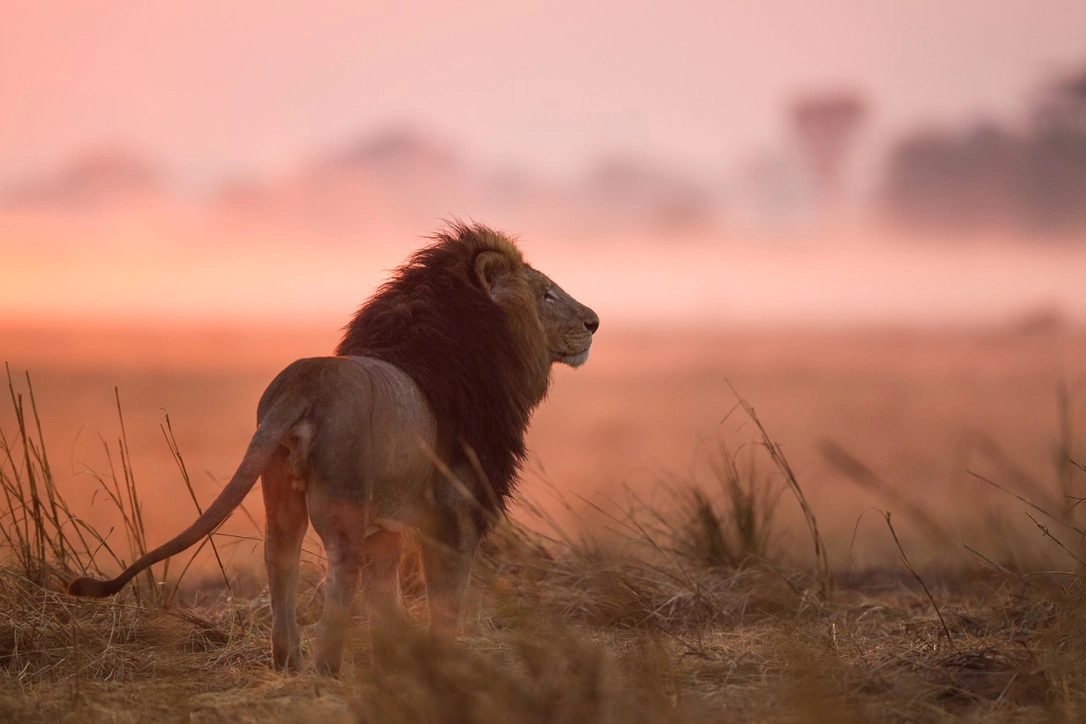
Thousands of wildebeest stretching to the horizon. Lions stalking through golden grass. Dramatic river crossings filled with crocodiles. Welcome to the Great Migration.
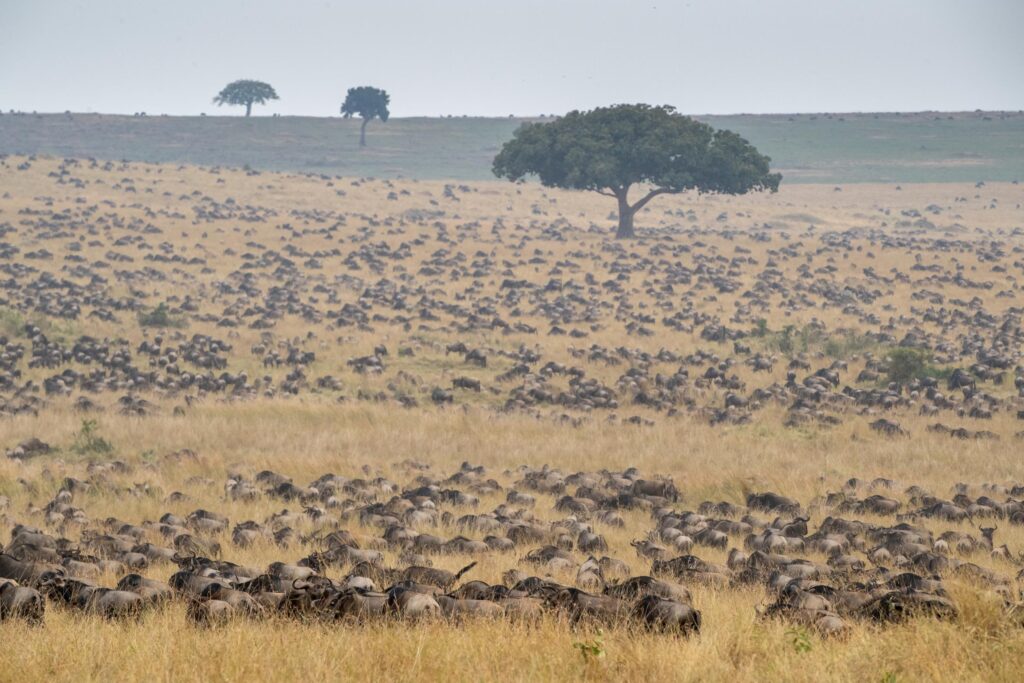
Often called the greatest wildlife spectacle on Earth – and for good reason – nearly two million wildebeest and zebra make the annual clockwise journey through Tanzania’s Serengeti and Kenya’s Maasai Mara in search of fresh grazing. But what many travelers don’t realize is that the Great Migration isn’t one event – it’s a year-round cycle, and choosing the right itinerary is about being in the right place at the right time. That is where PATH+PLAIN comes in.
Understanding the Great Migration
Not just a single migration from one destination to another, large herds are constantly moving with the rains, which makes the specifics of any migration year a bit unpredictable; but by understanding the general pattern and the “why” of the Migration, we can always be sure to be in a promising area for some great sightings.
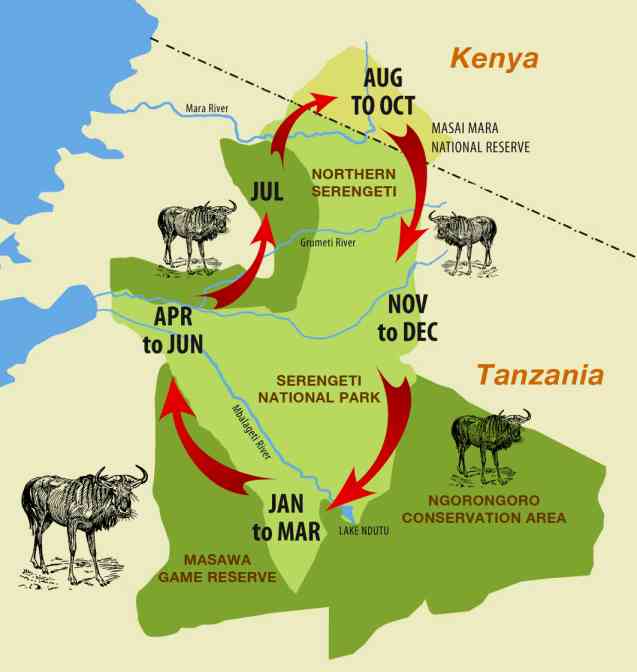
January – March | Migration in Tanzania: Southern Serengeti & Ndutu
Drawn to nutrient rich short-grass plains of the southern Serengeti, the herds arrive and gather en masse to graze in support of lactating mothers.
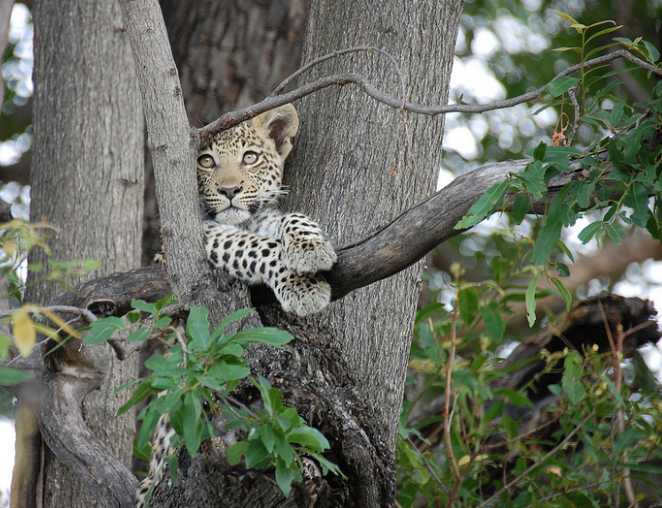
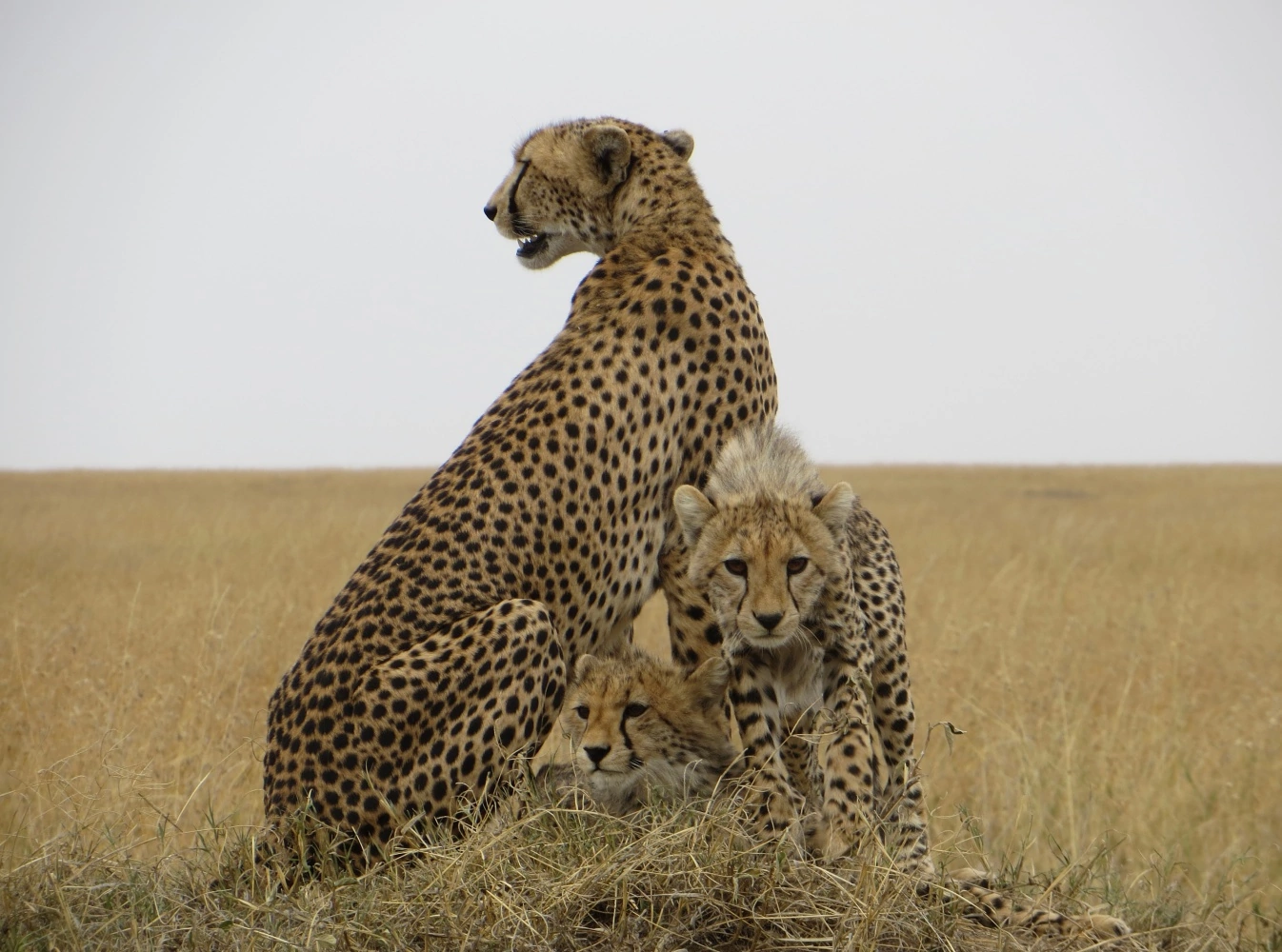
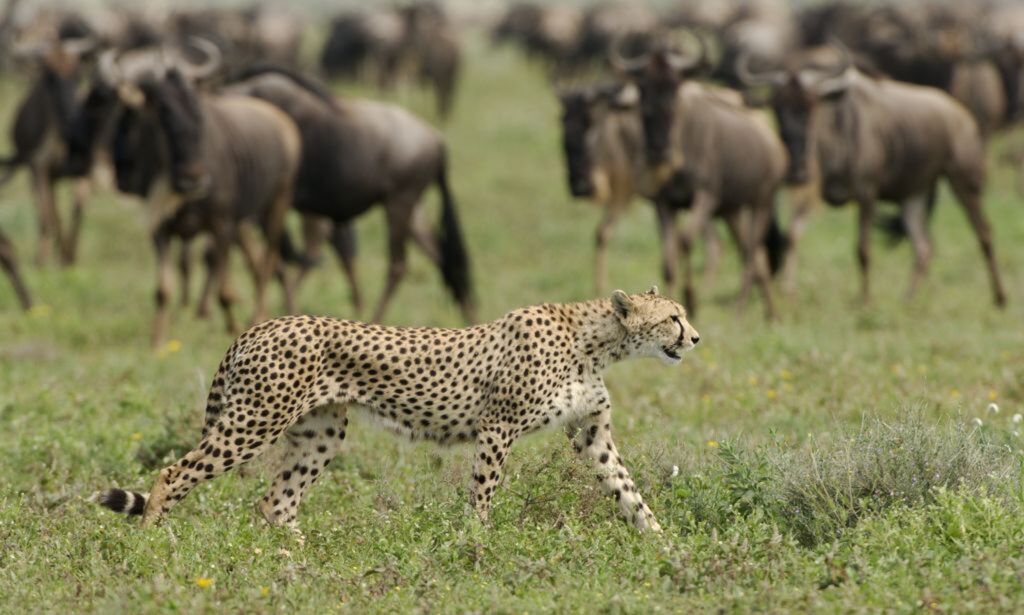
This is calving season, when more than half a million wildebeest calves are born in just a few weeks, attracting extraordinary predator activity. Cheetahs, lions, hyenas, and leopards are never far away.
While the herds are not specifically on the move at this time of year, if you are looking for dramatic wildlife interactions, this is one of Africa’s finest safari experiences.
April – June | Migration in Tanzania: Central & Western Serengeti
As the long rains of April and early May taper off, the herds begin moving north in search of fresh grazing. Young animals have gained strength and keep pace with the adults, and the reproductive cycle begins anew with “the rut” taking place at this time of year.
Visitor numbers are low, landscapes are remain lush, and game viewing can be exceptional, making this one of our favorite seasons for value. Slippery black cotton soils can make game drives an adventure for your guide, but for those willing to take on the challenge, you’ll enjoy a version of Africa that feels entirely undiscovered.
July – October | Migration in Tanzania & Kenya: Northern Serengeti & Kenya’s Maasai Mara
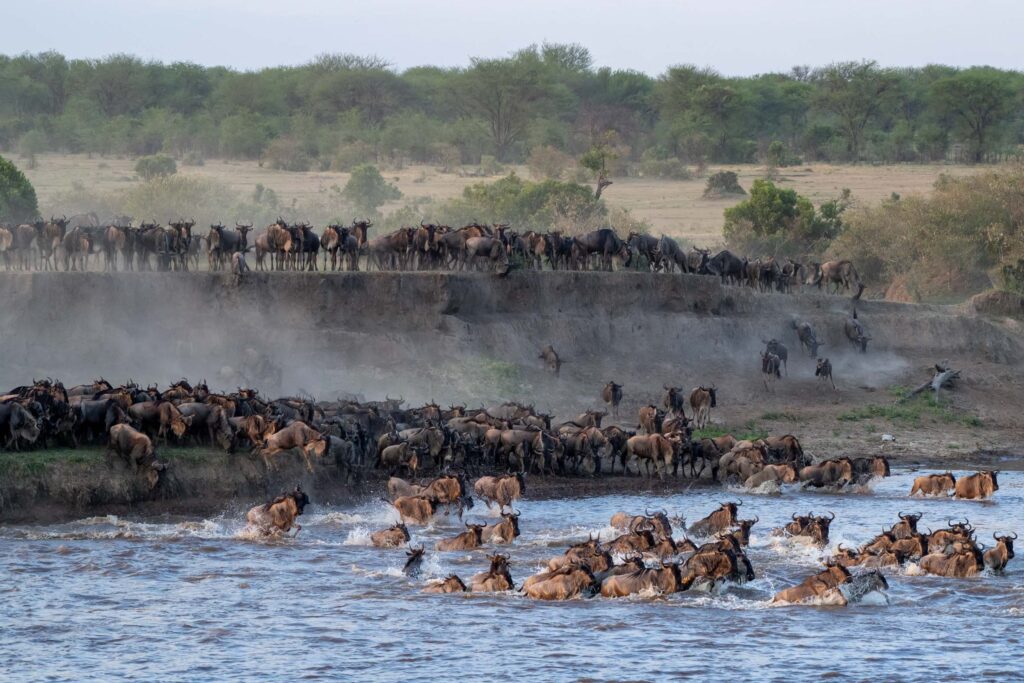
By far the most popular time for a Migration safari, the famous Grumeti and Mara River crossings happen from July-October, although predicting exactly when or where they will occur is impossible.
If your goal is to witness a river crossing, one strategy is staying at least 2-3 nights in areas where crossings are likely. Herds tend to amass at specific crossing points where they have crossed before. In a fascinating example of “herd mentality”, they will appear to be on the verge of crossing – sometimes for hours – before the first brave sole takes the plunge and then the rest quickly follow behind.
November – December | Migration in Tanzania: Returning South
As the short rains begin in November, the herds slowly make their way back to the southern Serengeti, beginning the cycle all over again. They traverse the eastern fringe of the Serengeti and the adjacent Loliondo reserve. This is again a predator dense area, and a good area to see cheetah in particular.
Maasai Mara or Serengeti?
The question of whether to visit Kenya’s Maasai Mara or Tanzania’s Serengeti is one of the most common questions we receive. The answer depends less on which destination is “better” and more on the kind of safari you envision.
The Maasai Mara
Kenya’s Maasai Mara is compact, wildlife-rich, and offers extraordinary predator sightings throughout the year. It is an intoxicatingly beautiful landscape, reminiscent of Out of Africa. 3-5 nights in this area will allow you to cover the essentials, and can be blended easily with Kenya’s other key wildlife areas. That said, during the height of migration season, from mid July-October, the Maasai Mara Game Reserve can be a busy place. While the camps and guides we work with do what they can to strategically explore while avoiding the crowds, there is no doubt that you will have company at important sightings. In 2025, the reserve received some not-so-flattering press regarding overcrowding, and at PATH+PLAIN, we look to avoid being part of that problem.
As an alternative to being in the Maasai Mara proper, private conservancies surrounding the national reserve can elevate the experience further and allow you to explore less crowded landscapes. Here you’ll enjoy:
- Fewer vehicles
- Excellent guiding
- Off-road driving
- Night game drives
- Walking safaris
For these reasons, many of our favorite camps are located in these private conservancies rather than inside the reserve itself. Standout luxury options in the region include:
- Angama Mara
- Sanctuary Olonana
- Bateleur Camp
- Cottar’s 1920’s Camp
Overall, for travelers with limited time, Kenya offers easy logistics, allowing guests to fly directly between camps and to/from Nairobi.
The Serengeti
By comparison, the Serengeti is enormous – nearly ten times larger than the Maasai Mara.
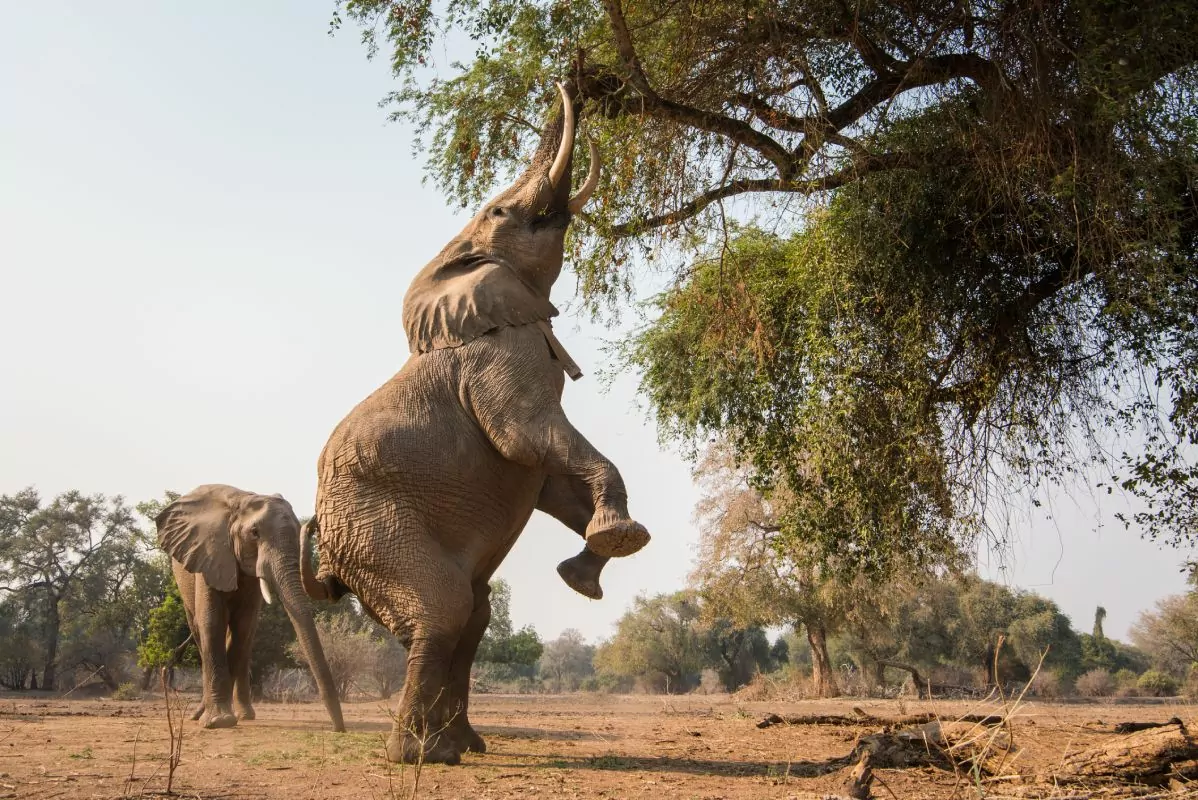
Different regions shine during different months, which is why selecting the right camp matters so much. Rather than staying in one place, many luxury itineraries combine two or even three Serengeti camps that ensure that for at least part of your safari, you will be aligned with the movements of herds; and of course, outside of the migration, there is much to see – lions gazing from their sun-warmed kopjes, elephant and giraffe browsing, and all manner of resident plains game that does not migrate.
Some of our favorite properties include:
- Namiri Plains
- Dunia Camp
- Sayari Camp
- Wilderness Usawa
- Singita Sasakwa Lodge
- Kusini Camp
Every one offers a different perspective on the Migration, depending on the season.
Exceptional Value, Ease of Planning: SkySafari
Planning a luxury safari experience including the Great Migration doesn’t have to be complicated. For hard-to-beat value and efficient logistics, one of our favorite itineraries for first-time East Africa safari travelers is the SkySafari.
Available in both Kenya and Tanzania, as well as an epic, 13-day combination version, SkySafari combines:
- charter flights
- luxury camps
- outstanding guides
- seamless logistics
- premium service
Because departures are scheduled and organized in advance and can be shared by as many as 8 in a group, SkySafari travelers enjoy exceptional value compared with assembling the same itinerary independently.
It’s an ideal option for couples celebrating anniversaries, retirees, or travelers who want a world-class safari without spending weeks planning every detail.
Fully Customized Luxury Great Migration Safaris
On the other hand, for travelers seeking something truly personal, custom-designed safaris offer nearly unlimited possibilities. Complement your Migration viewing in the Serengeti or Maasai Mara with extended travels in either country – Tarangire and Ngorongoro Crater in Tanzania, or Laikipia and Amboseli in Kenya or even:
- Gorilla trekking in Rwanda
- Walking or horseback safaris in Kenya
- Zanzibar beaches
- Private conservation-related experiences
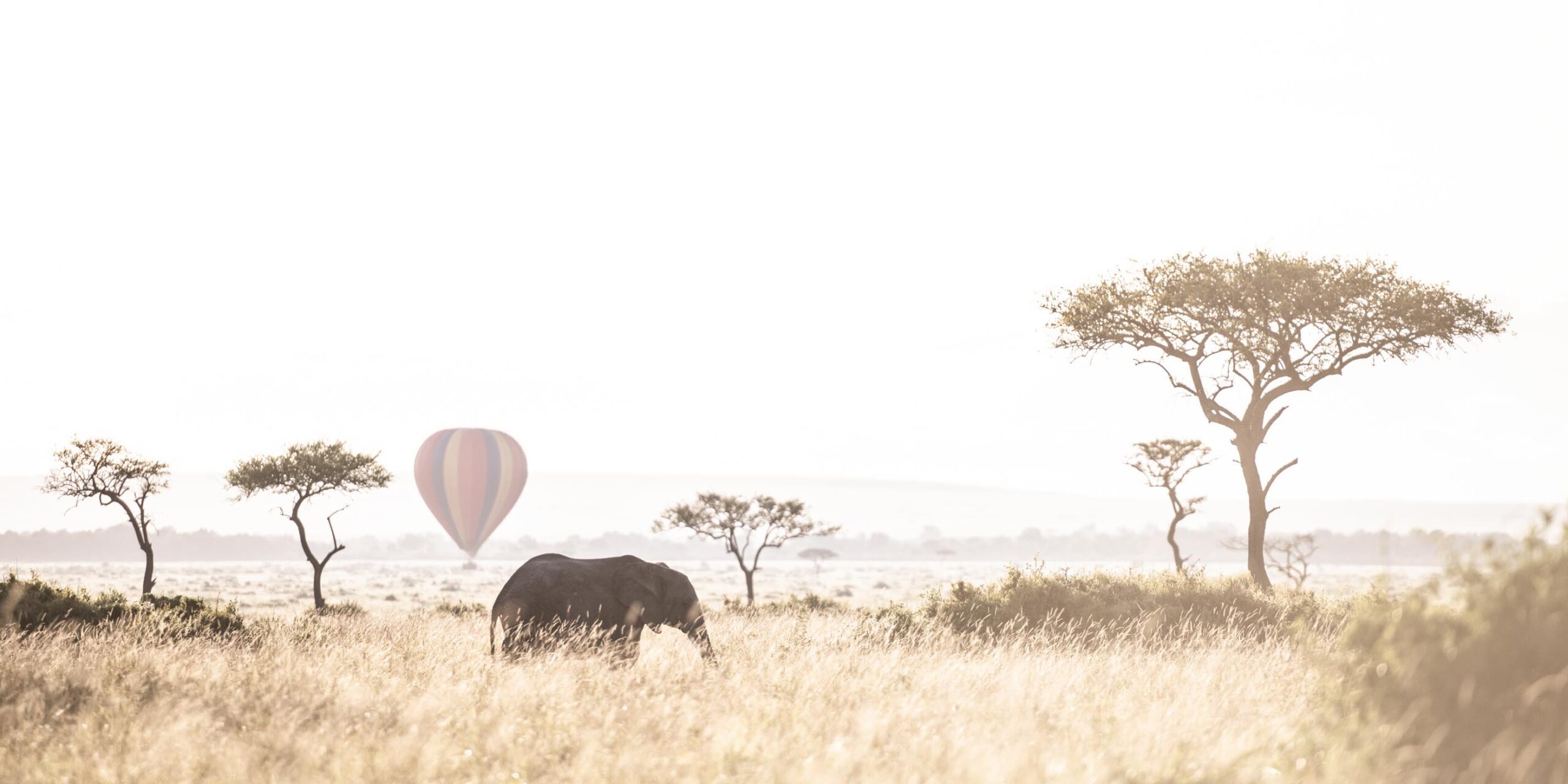
- Hot-air balloon safaris
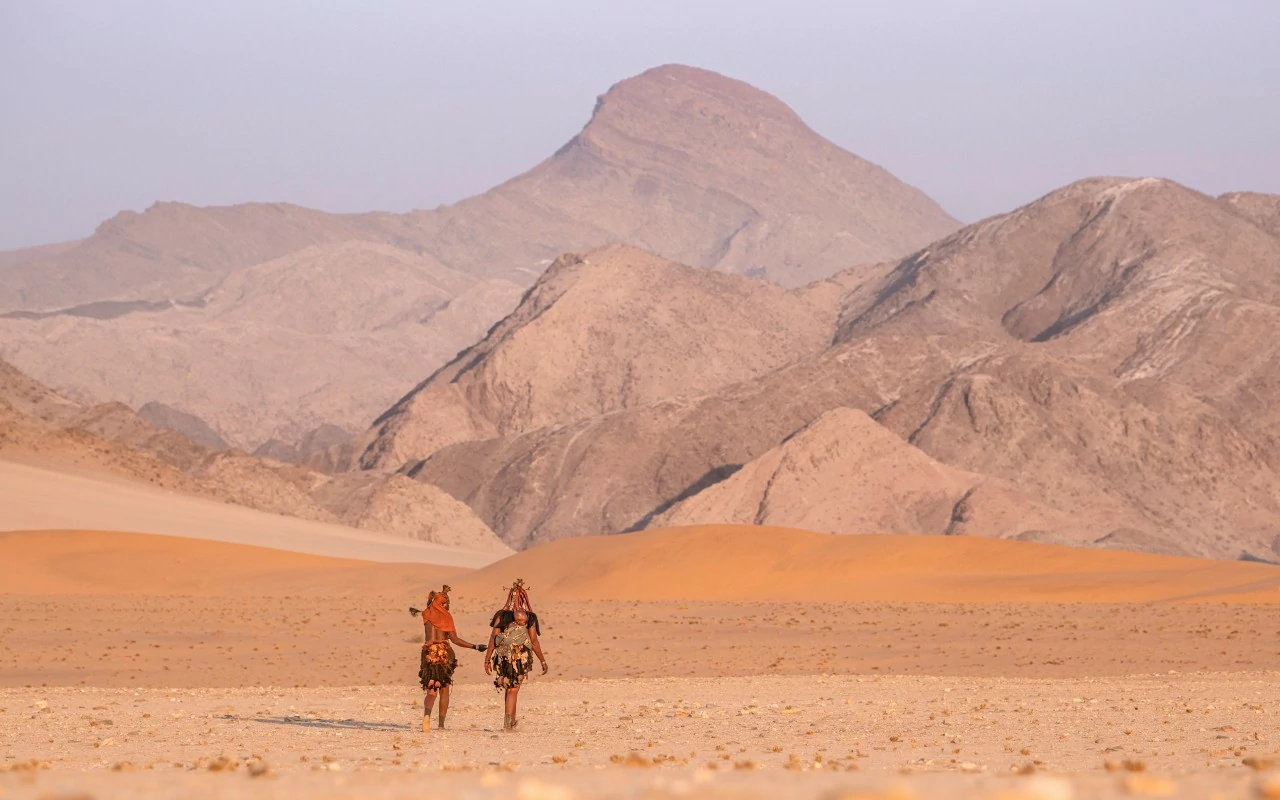
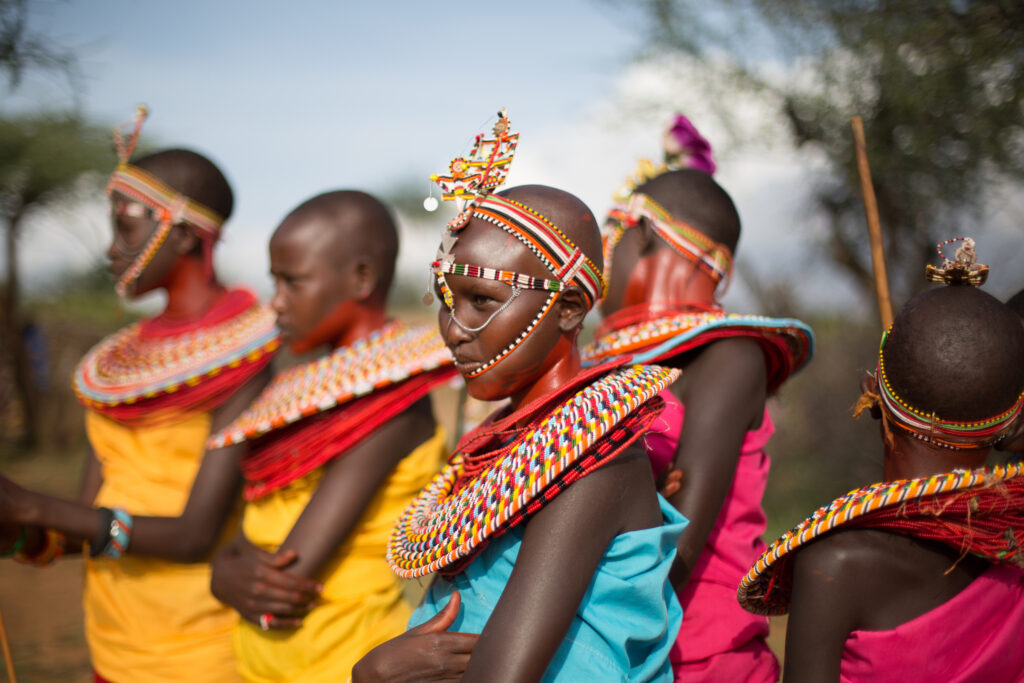
- Cultural explorations
Seeing the Great Migration the “Right” Way
One of the biggest misconceptions is that you need to chase the Migration to have a fulfilling safari. In reality, the best safaris focus on spending enough time in the Serengeti-Mara ecosystem with exceptional guides to enjoy all of the magic these areas have to offer, while letting the Migration play an accompanying role.
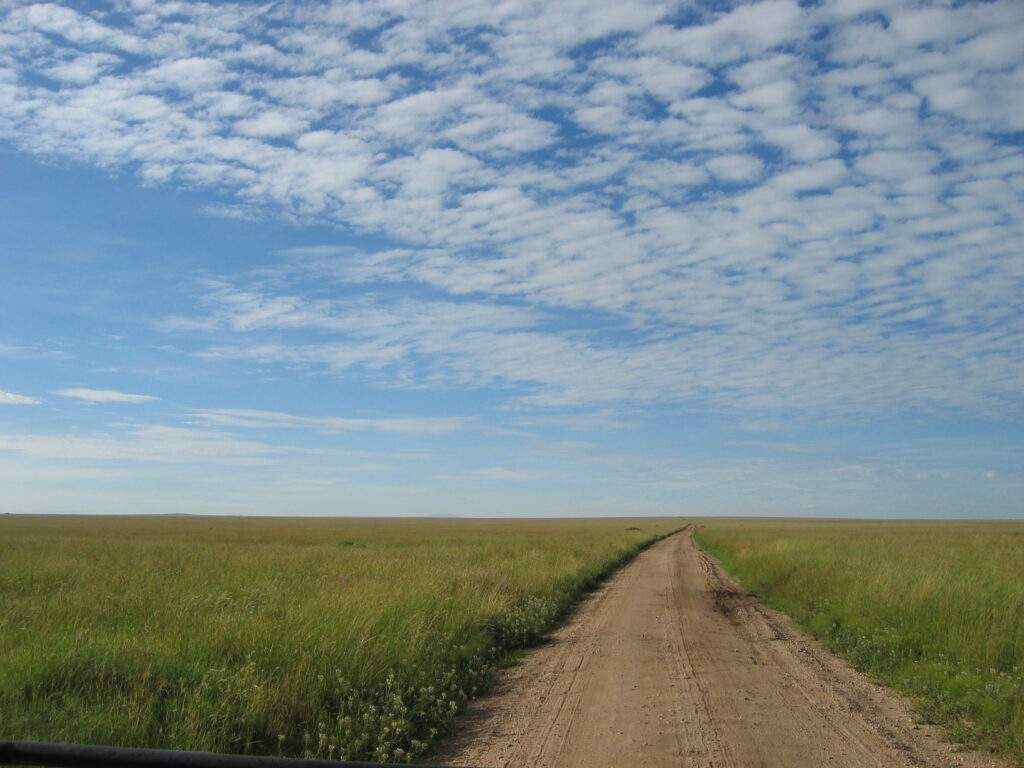
Some of my most memorable experiences of safaris in Kenya and Tanzania had little to do with the Great Migration. Riding a horse on the Laikipia Plateau and coming across a white rhino mum and her newborn calf – all of us (horse included) transfixed by the moment. Or standing in the back of the vehicle with my head through the top as my guide slowly drove, catching the breeze and not an animal (or human) in sight, with waving grasses extending literally in every direction – the feeling of space and timelessness is something I’ve never forgotten.
Let PATH+PLAIN Design Your Perfect Safari
Whether you’re looking for an exceptional-value SkySafari itinerary, a fully customized luxury safari across Kenya and Tanzania, we’ll help match your travel style with the right camps, guides, and timing for your ideal Great Migration safari.
Because experiencing the Great Migration isn’t about luck… it’s about thoughtful planning, local expertise, and being in exactly the right place when nature puts on its greatest show.
Call 1-802-222-6320 or email info@pathplaintravel.com to start the conversation.