One of the most asked questions about African safaris is also one of the most misunderstood: When is the best time to go on an African safari?
It’s a fair question. Safari timing affects wildlife sightings, weather, how many others are traveling, pricing, and the overall feel of the journey. But the real answer can’t be boiled down to a single month or season – the answer lies in a thoughtful alignment of destination, experience, and personal travel style.
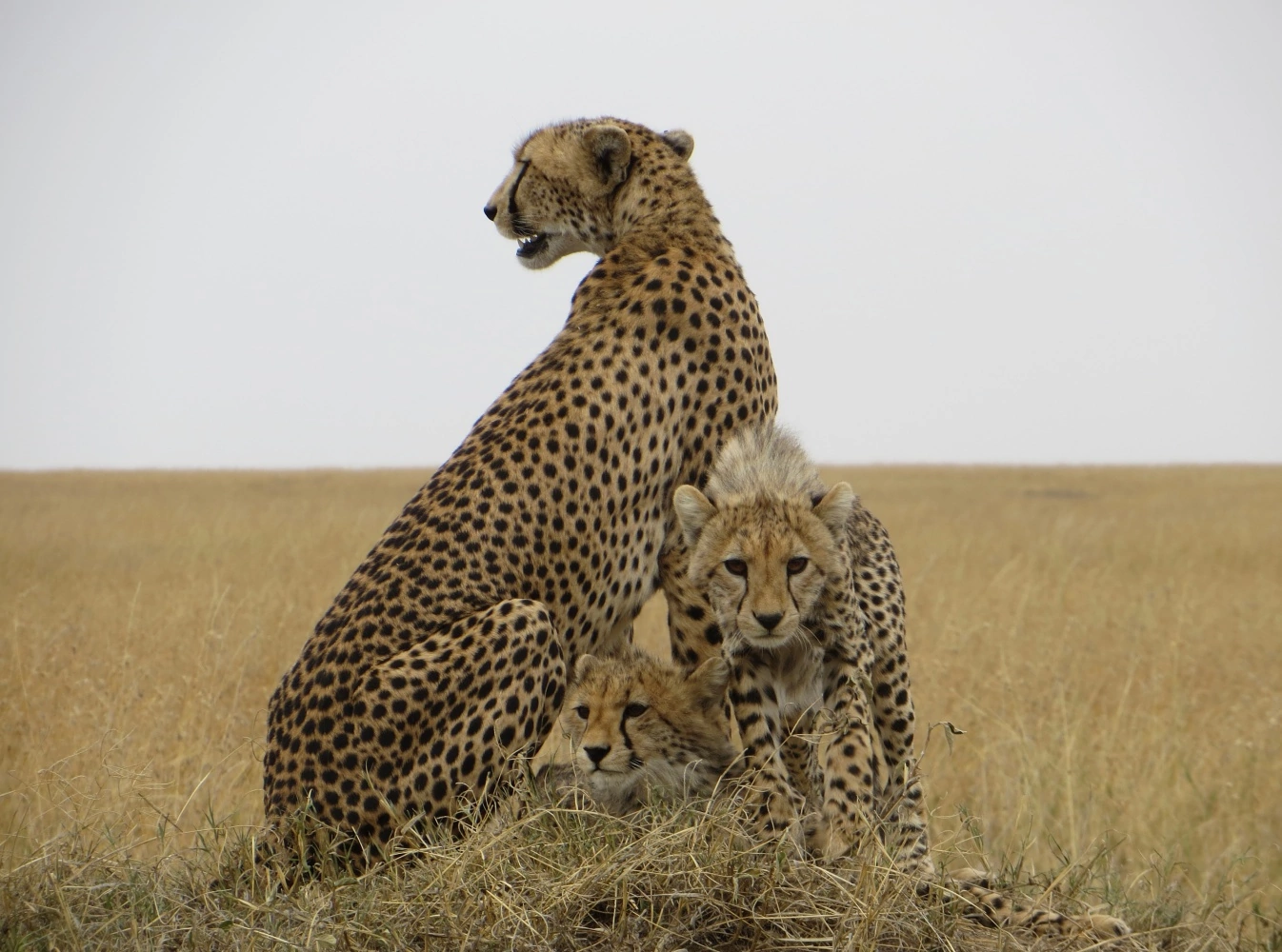
At PATH+PLAIN, we approach safari timing with intention. Because matching the season to your preferred experiences shapes how Africa reveals itself, from playful baby animals scampering in vibrant landscapes of the green season, to thundering herds on the move during the dry season.
Dry Season Safaris (June–October): Overall, the Best Time for Wildlife Viewing
For many travelers, the dry season is considered the best time to go on safari – and with good reason.
Across much of East and Southern Africa, the months from June through October offer:
- Excellent wildlife viewing as animals gather around permanent water sources
- Sparse vegetation, making game easier to spot
- Mild, dry weather with cool mornings and warm afternoons
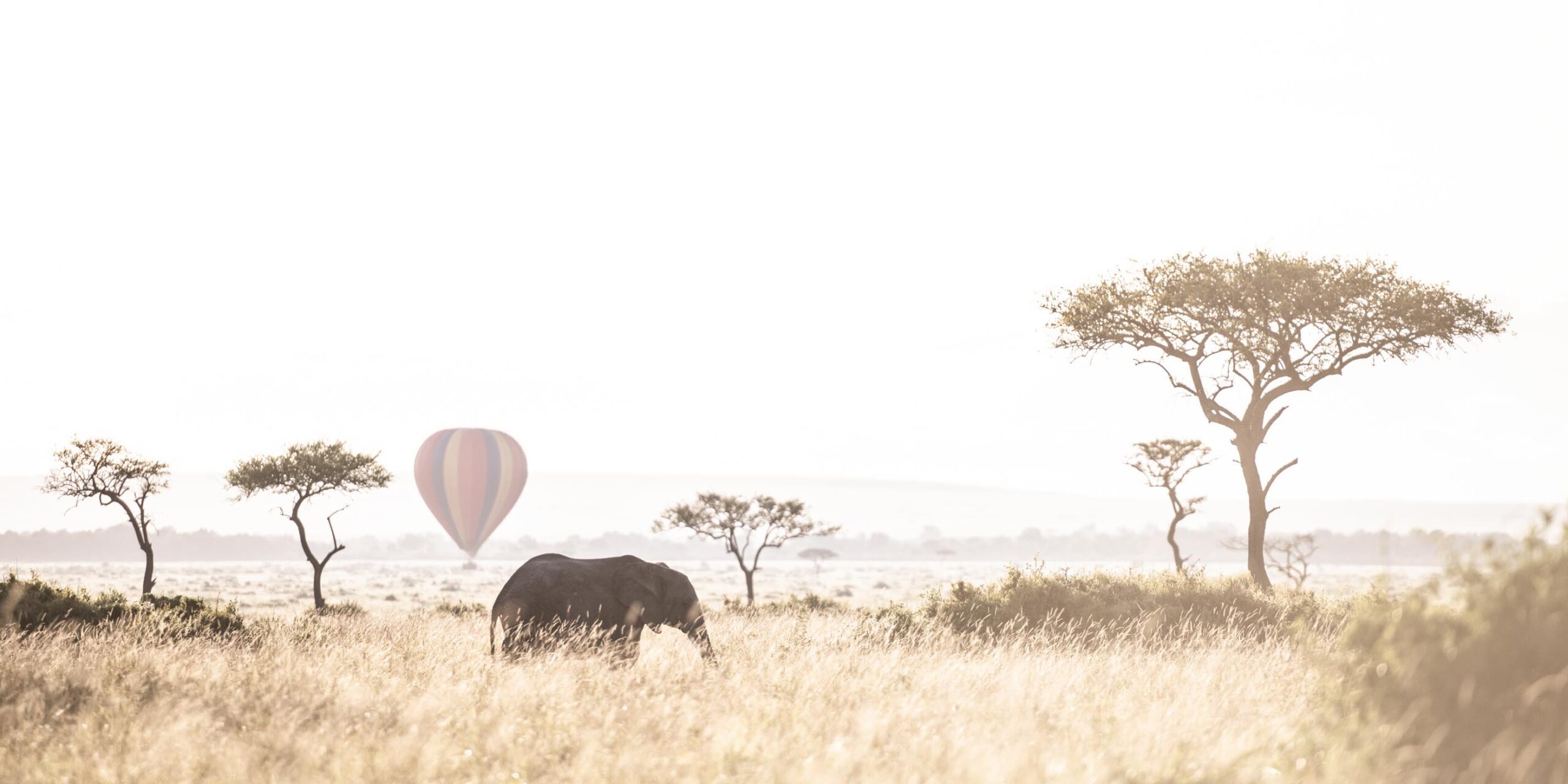
This is peak safari season in destinations such as Kenya, Tanzania, Botswana, Zambia, Zimbabwe, and South Africa. It’s also when iconic experiences like the Great Migration in Kenya and Tanzania reach their most dramatic phase, particularly between July and September.
The dry season delivers the classic safari experience: dense wildlife sightings, herds on the move, and big, blue African skies.
Green Season Safaris (November–April): Magic of the Secret Season
Often overlooked — and quietly treasured by experienced safari travelers — the green season offers the luxury of time and solitude.
During these months:
- Intermittent rain showers transform landscapes into lush, vibrant ecosystems, offering beautiful backdrops for photos
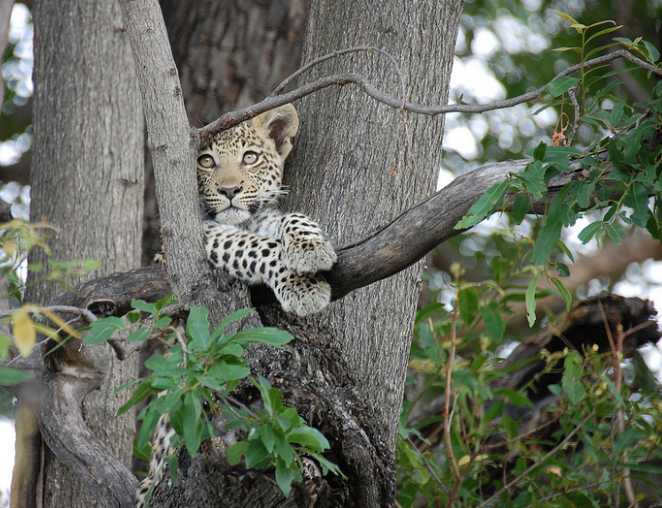
- Many animals give birth, and the plains become a playground for young animals… with predators never far behind
- Migratory birds arrive, making it the best time for birdwatching safaris
- Fewer travelers mean more privacy, flexibility, and often better value (although it should be noted that the December “festive season” mirrors peak season rates)
While afternoon showers are possible on occasion, they are typically brief and bring dramatic skies, rainbows, and renewed life to the bush. For travelers who are looking for a quieter time of year, this can be an excellent time to visit Africa.
Best Time to Go on Safari by Destination
Safari timing varies significantly by region — which is why destination-specific planning matters.
East Africa (Kenya & Tanzania)
- Best dry season safari months: June–October
- Best time for the Great Migration: July–September
- Calving season (especially dramatic in Tanzania): January–March
- Quietest time: April and May; this is the time of the long rains. If you want normally popular areas virtually to yourself, those who are willing to cope with occasionally challenging road conditions are rewarded with solitude even in normally popular places
Southern Africa (Botswana, Zambia, Zimbabwe, South Africa)
- Best for wildlife sightings: May–October
- Exceptional dry-season wildlife viewing around rivers and floodplains
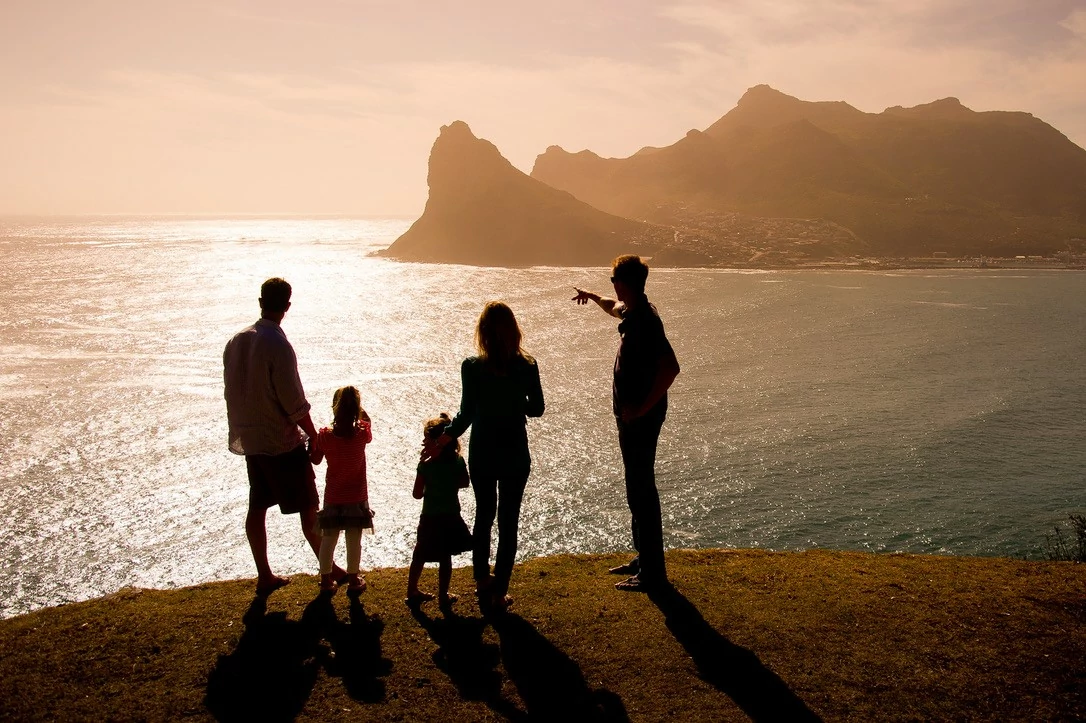
- Best weather in Cape Town: April-May, when the wind that normally blows settles down
Namibia
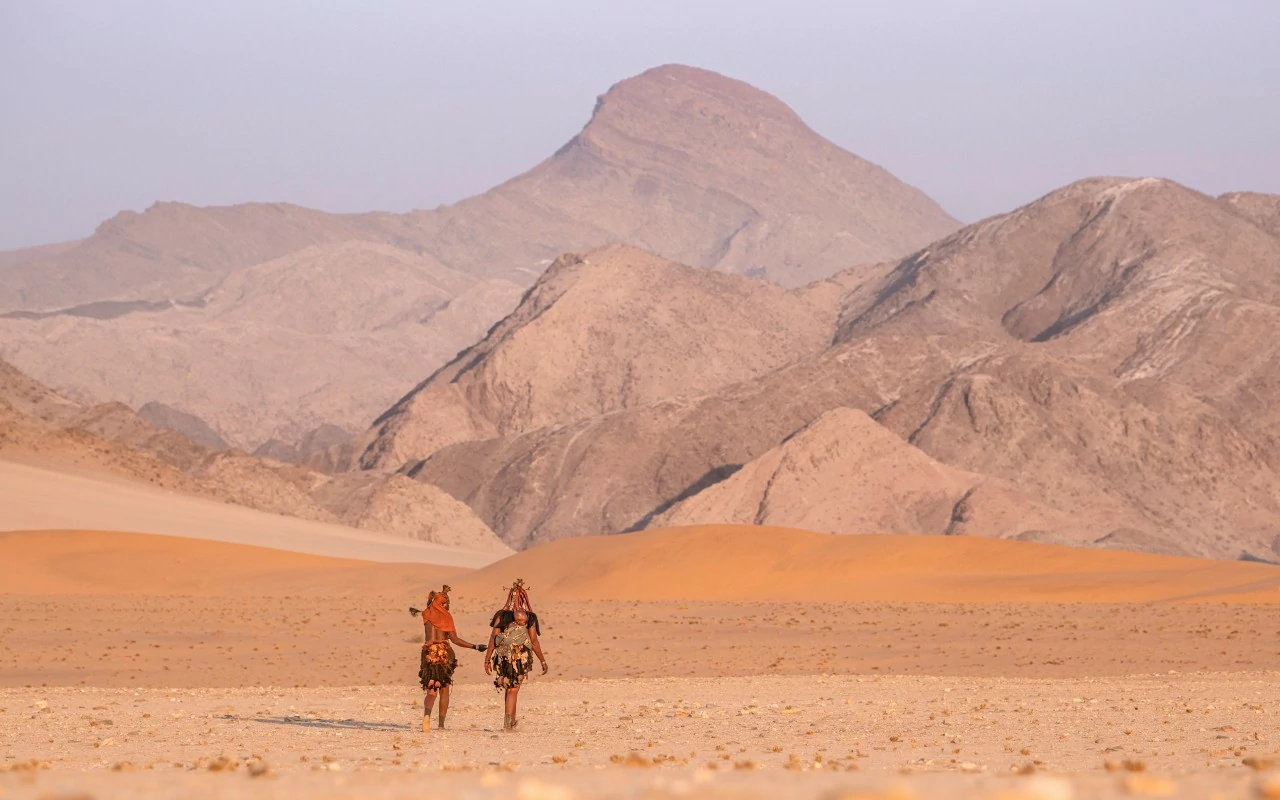
- Best time for desert safaris and photography: May–September
- Green season offers dramatic skies and fewer visitors, and the desert will bloom if it rains
The “best time” depends not only on wildlife but on landscape, light, and how you prefer to experience a place.
Is There a Bad Time to Go on an African Safari?
In short — no. But there are times better suited to certain priorities.
Peak safari season offers consistent wildlife drama and spectacle. Shoulder and green seasons offer intimacy and atmosphere, while still offering excellent wildlife sightings, with careful planning. The experienced safari planners at PATH+PLAIN know the private concessions and reserves that will deliver, no matter when you choose to travel.
The key is not necessarily chasing the most popular months (although there’s nothing wrong with traveling during peak season) – it’s choosing the season that aligns with your life, and then allowing us to guide you.
When to start Planning an African Safari
If you are dreaming of planning a safari timed to coincide with the peak season – then planning 12-18 months in advance is ideal. For the green season, even 3-4 months notice might be enough. Of course, we realize it may be challenging to plan more than a year in advance, and we’ve pulled off some pretty epic adventures with much less notice – just be in touch as soon as you start thinking about your African safari, and we can guide you.